

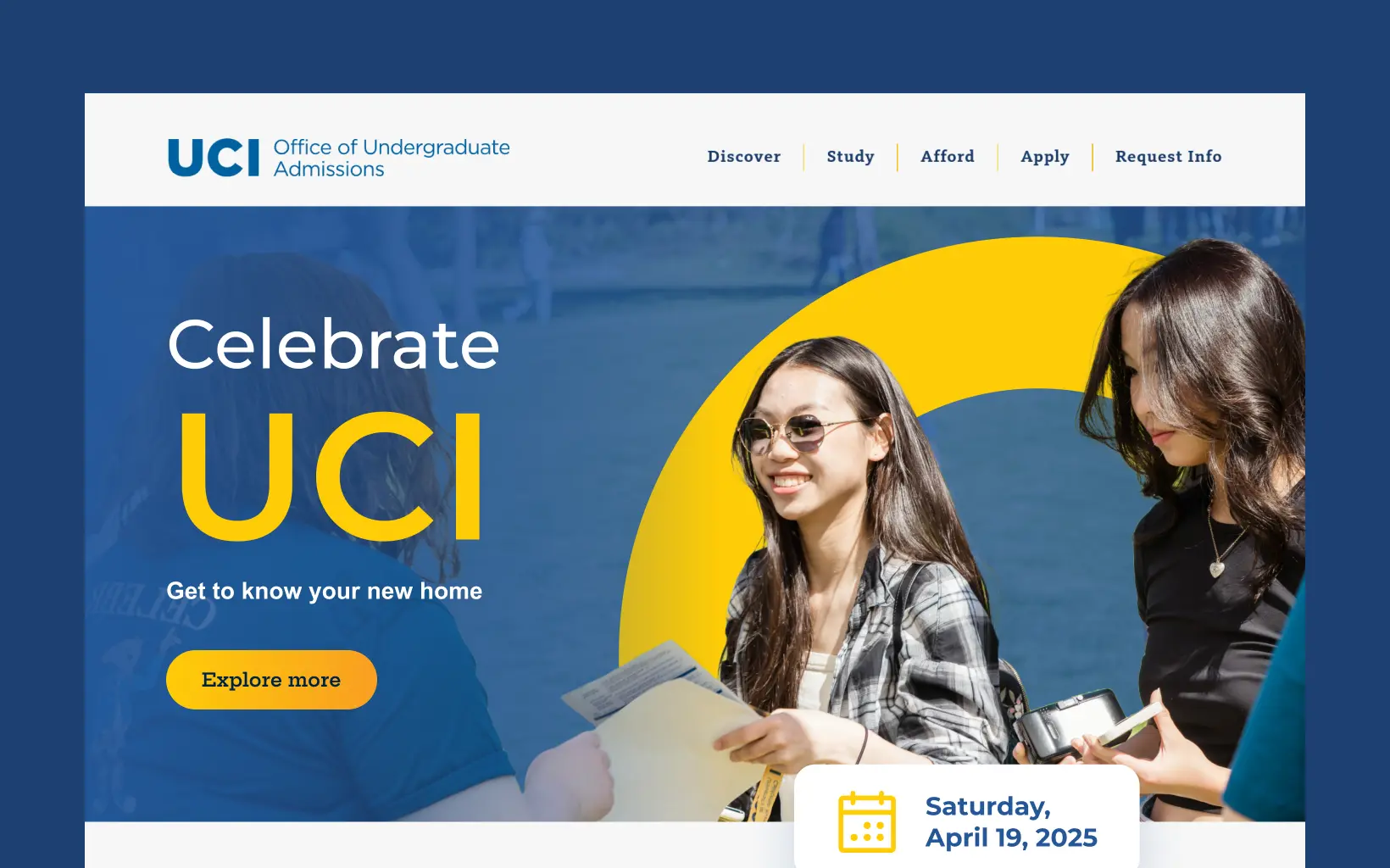
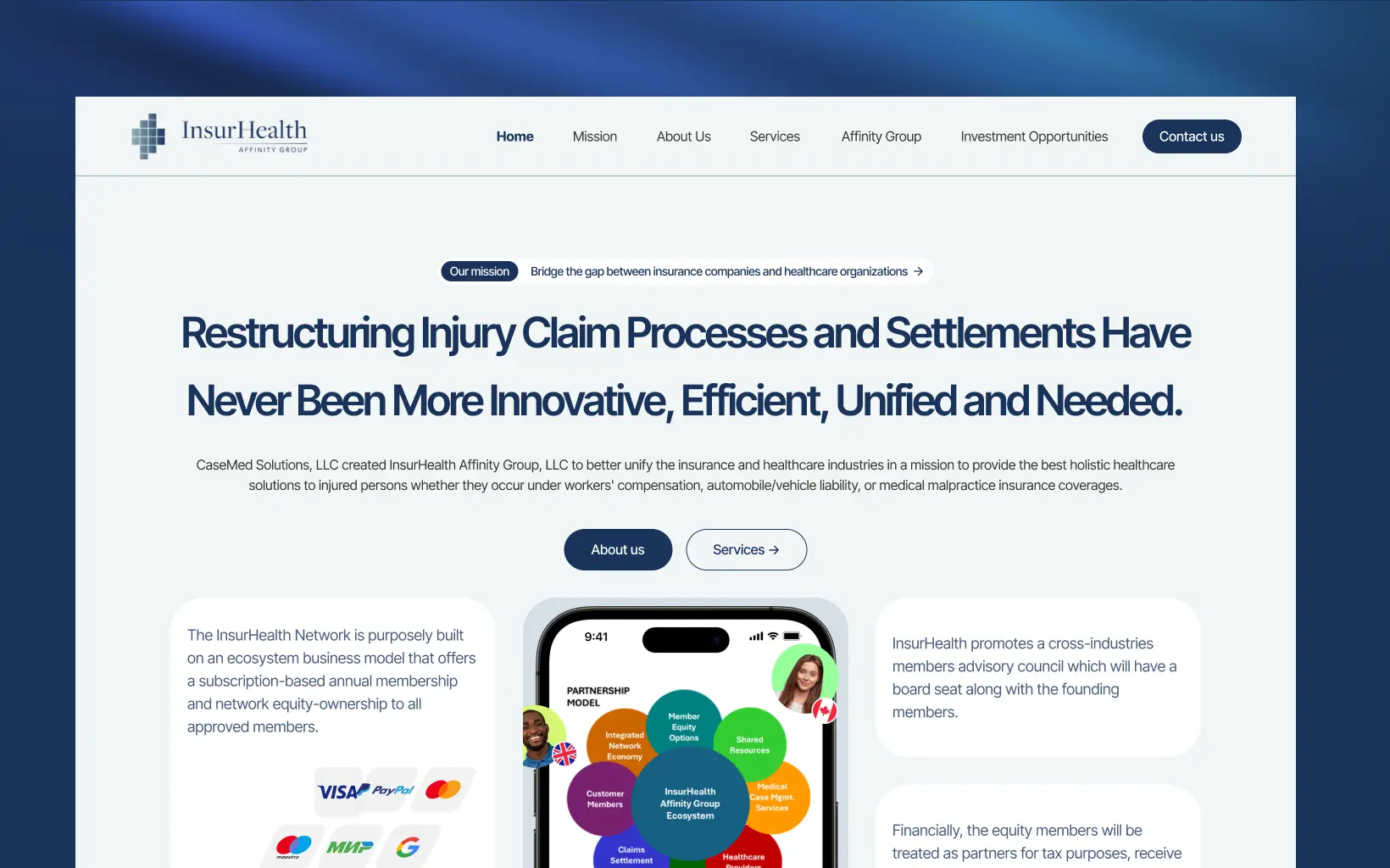
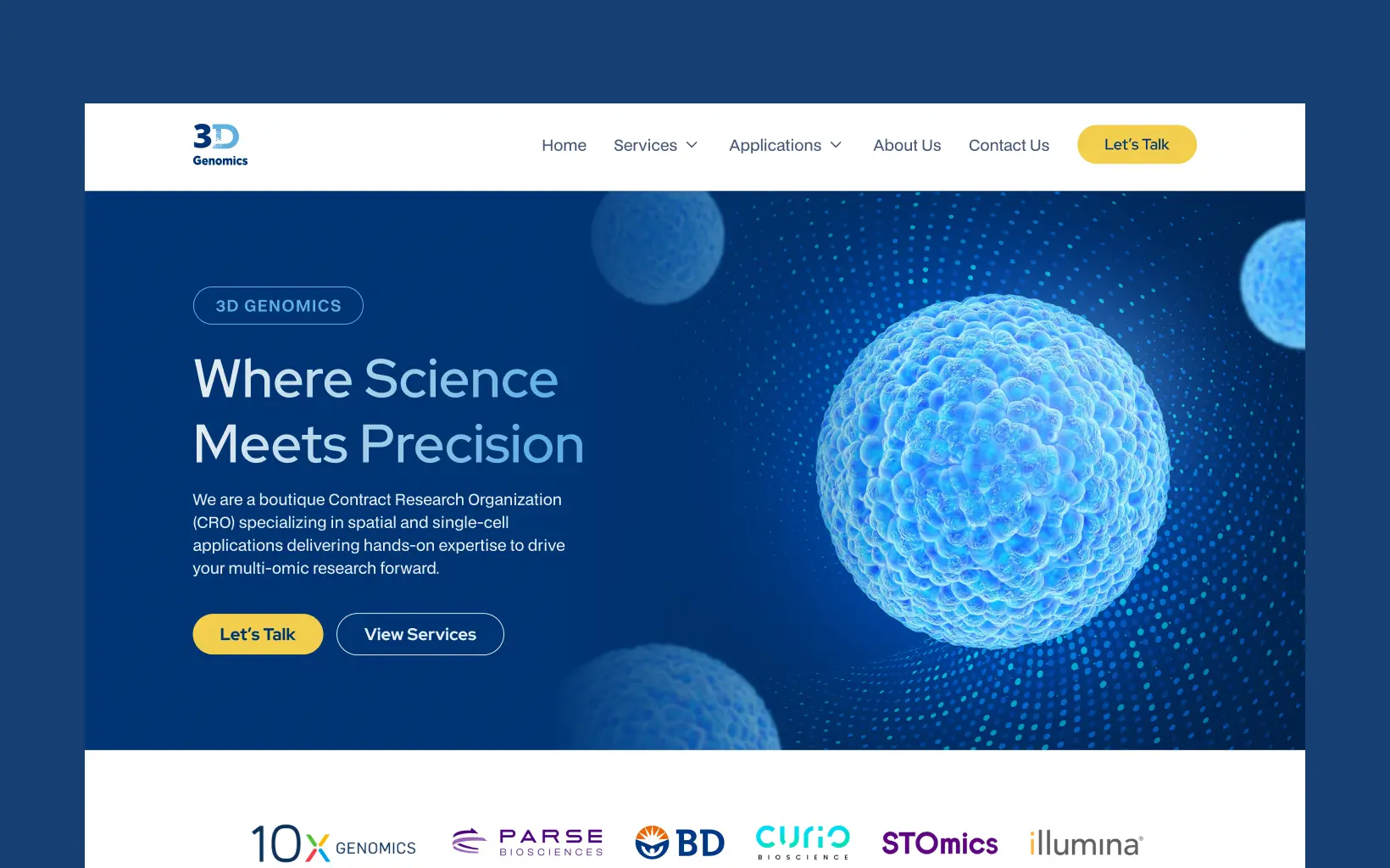
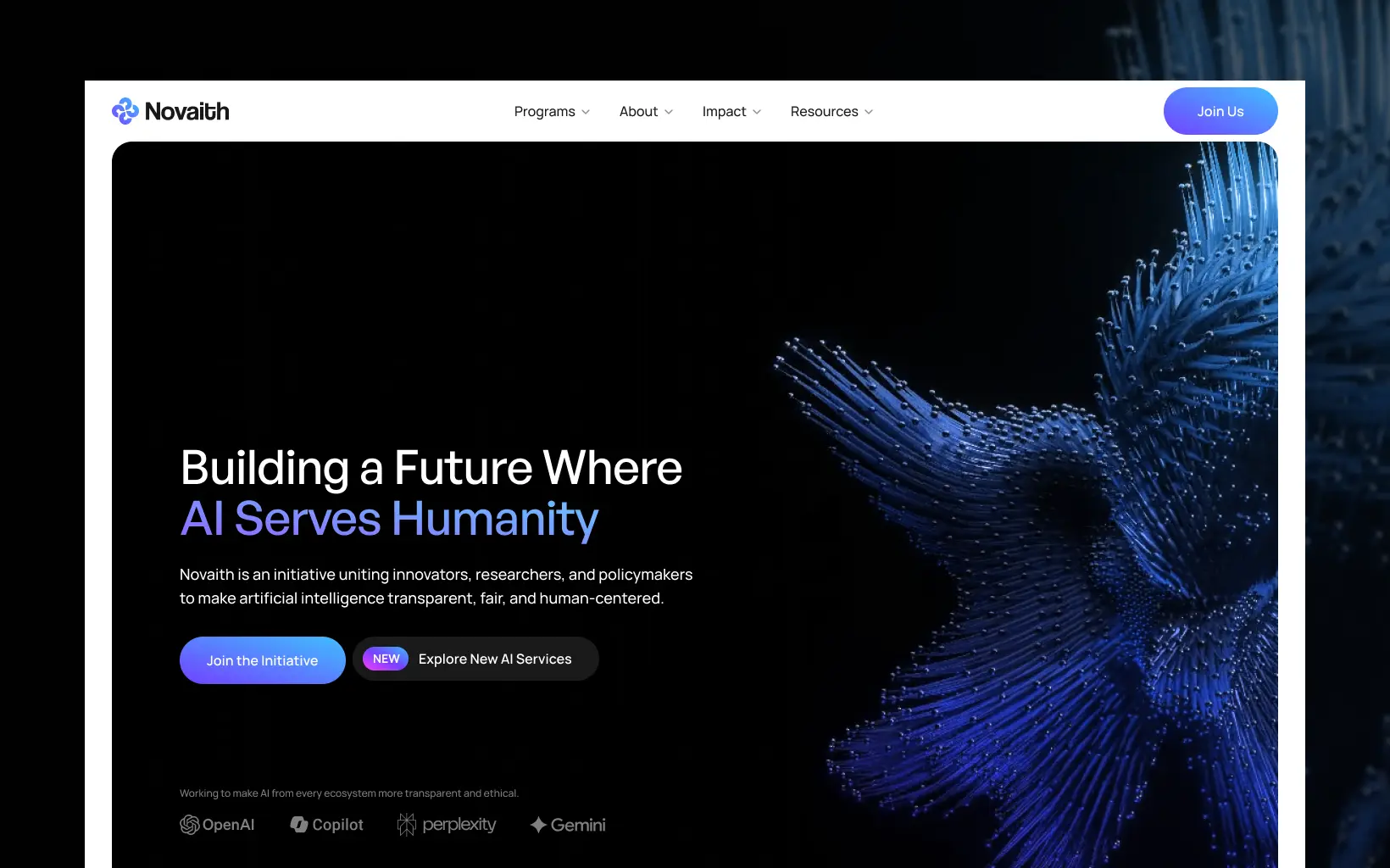
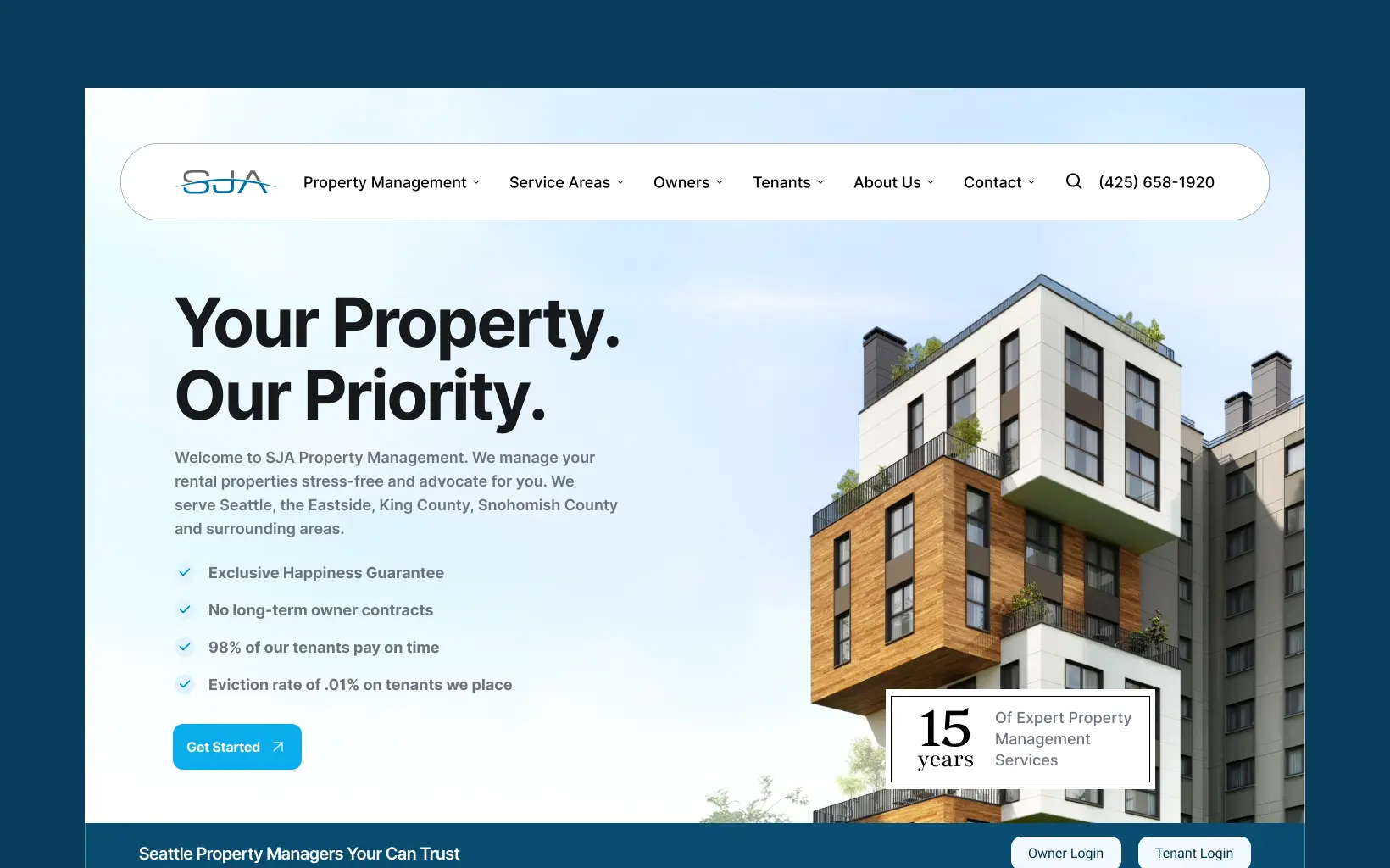
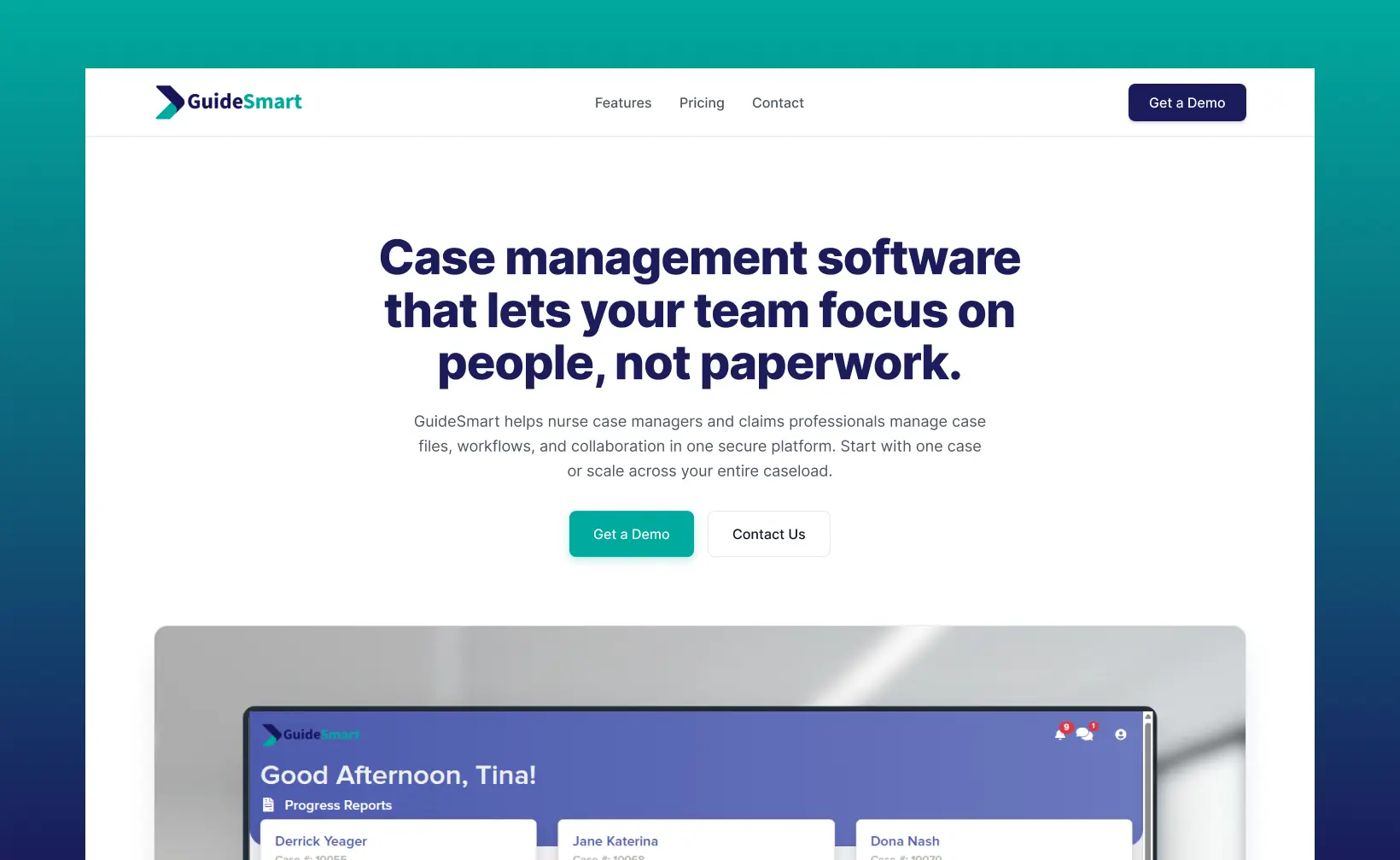
Landing page design services for the promise behind the click.
A campaign brings someone to your page with a particular expectation. WebXd helps you carry that expectation into useful copy, a focused layout, and a next step that works. We plan landing pages around the offer you are making and the conversation you want to start.

The first screen should recognize the visitor's reason for coming.
Start with the message someone has just seen. An invitation to an operations workshop should open on that workshop, with a clear subject and a recognizable registration action. A general company introduction leaves the visitor to rebuild the connection for themselves.
We use the campaign brief to decide what belongs near the top: who the offer serves, what it provides, and what happens next. The page can keep your brand's familiar voice while giving this particular offer enough room to be understood.
- 01Recognizable offer
- Carry the campaign's subject into the headline.
- 02Useful evidence
- Show the agenda, sample, or explanation behind the offer.
- 03A specific action
- Name what the visitor will receive or request.
Google's landing page guidance recommends relevance to the ad and an easy route to the intended action. We treat that as a practical review question: can someone arriving from this campaign explain what is offered before they have to make a commitment?
Let the unanswered questions set the page length.
A short page can work when the offer is familiar and the next step asks little of the reader. A more involved purchase may need a sample of the work or a clear explanation of the engagement. Page length follows the decision, rather than a fixed number of sections.
| Situation | Questions to answer | Useful evidence | Next action |
|---|---|---|---|
| A familiar resource | What it covers; who will find it useful; how to access it. | A real preview or excerpt. | Get the resource |
| A scheduled event | Subject, audience, schedule, format, and participation details. | An approved agenda and presenter information. | Register for the event |
| A service inquiry | The problem addressed, scope, relevant experience, and next conversation. | A documented example or sample deliverable. | Request a consultation |
We build the content around the questions that could stop someone from proceeding. Approved testimonials or examples can help when they address a specific concern. If that evidence is unavailable, a clear explanation of the work is more useful than an unsupported claim.
A landing page ends where the inquiry is received.
A button and a form are only part of the experience. The visitor needs to know what they are requesting, which details are required, and what to expect after sending them. Your team needs the inquiry in the right place with enough context to respond.
Ask for details the follow-up needs.
We review each field against its purpose. A work email may support a resource delivery, while a service inquiry may also need a description of the project. Clear labels and helpful error messages make the request easier to finish on a phone.
Confirm a successful receipt.
The confirmation should reflect what the system has actually accepted. We plan success and failure states alongside the form connection, so a visitor can recover from an error. A test inquiry must reach its agreed inbox or system before the connection is accepted.
Keep the action distinct from the outcome.
An inquiry is the beginning of follow-up. Google's recommended analytics events distinguish lead generation from later qualification and a completed sale. We agree on the action to record and check it against the working page, with broader reporting scoped through analytics and attribution services.
Choose the unit of work before multiplying the pages.
Some campaigns need one carefully built destination. Others need related pages for distinct offers or audiences. We define which elements can be reused and which require new content, so a page family remains relevant instead of becoming a set of nearly identical copies.
A new campaign page
- Offer and action brief
- Original copy and responsive design
- Agreed platform build and inquiry connection
An existing page rebuilt
- Review of the current destination
- Content and layout revisions
- Checks on retained links, forms, and tracking
A reusable page family
- Shared layout and editing rules
- Offer-specific content and artwork
- Documented variants and publishing checks
The proposal identifies the platform, deliverables, review responsibilities, and handover. We discuss whether your existing website can support the page and who will make routine updates. Campaign management, custom system connections, and ongoing experiments can be added as separate work when they are needed.
Review a working destination before sending the traffic.
The launch review follows the path a visitor will take. We check the actual destination link, read the page on a smaller screen, and complete the agreed action. Your reviewers can inspect the same evidence before approving the campaign destination.
- The headline and offer agree with the approved campaign.
- Important details and artwork remain readable on mobile.
- Links, keyboard navigation, labels, and error states work.
- A test request reaches the agreed destination.
- The confirmation and measurement event describe the completed action.
- Editing access and a route for future changes are documented.
After launch, the page can be reviewed beside the traffic source and the quality of incoming inquiries. A confusing field may call for a direct repair; a competing message may call for a planned experiment. We help define that next piece of work through conversion rate optimization services.
Set the boundaries while the brief is still open.
Can the landing page stay on our existing website?
We assess the current platform and publishing access before choosing the build approach. Keeping the page in your website may suit an established editing workflow. A separate page tool may suit campaign needs, provided its domain setup and connections are understood. The proposed approach belongs in the scope.
Do you write the copy and create the page design?
The scope can include the offer brief, landing page copywriting, responsive design, and implementation. Your team supplies approved product details and evidence for any claims. We identify artwork needs and review points before production, including which source files and editing instructions will be handed over.
How are cost and timing decided?
The estimate depends on content readiness, the number of distinct pages, platform requirements, and the action being connected. An existing layout with approved copy has different needs from a new offer with custom artwork. Share the campaign date and review responsibilities so the proposal can reflect the work involved.
Will a new landing page guarantee more leads?
No page can guarantee a particular volume of leads or sales. The offer and the audience still matter, along with the follow-up after an inquiry. A page build gives the campaign a focused destination; further research or testing can help decide what to improve as evidence becomes available.