

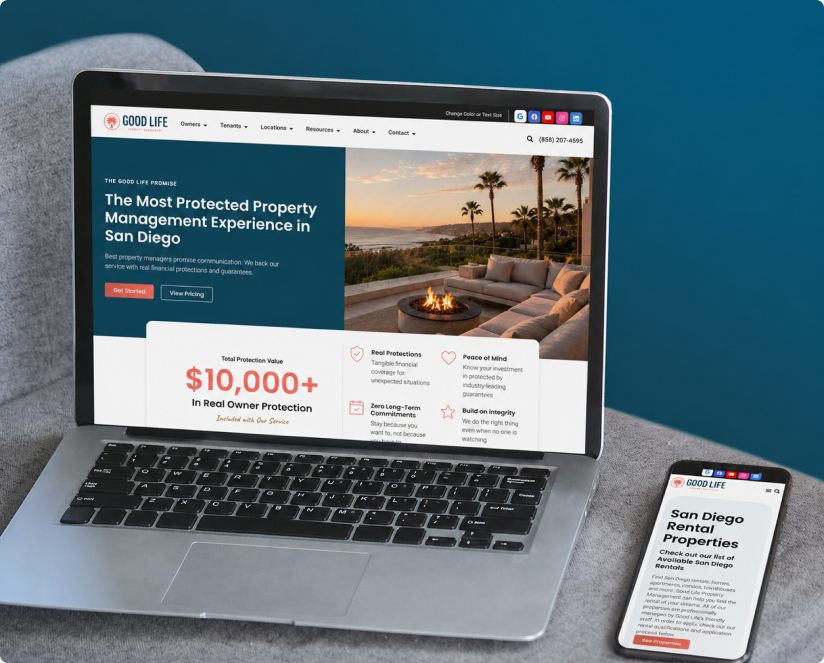
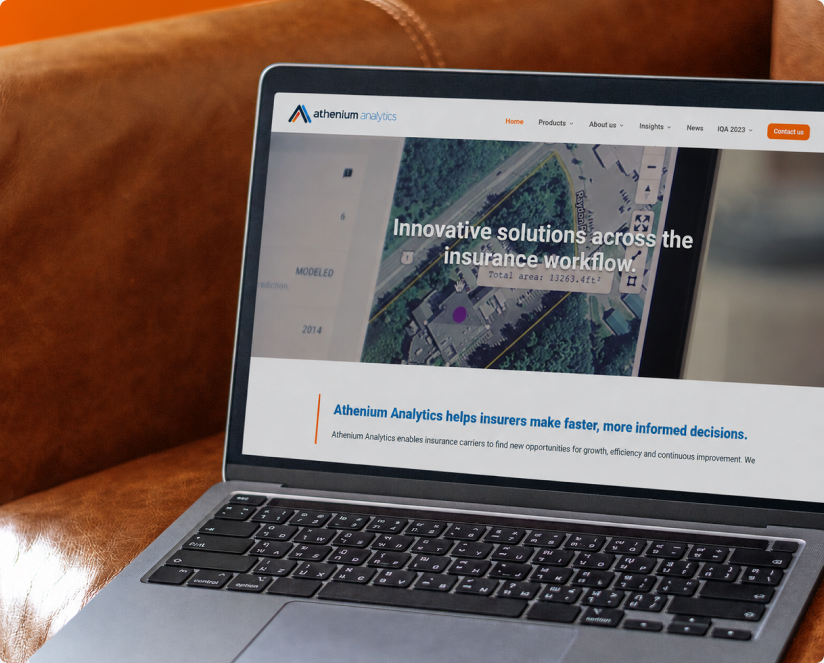
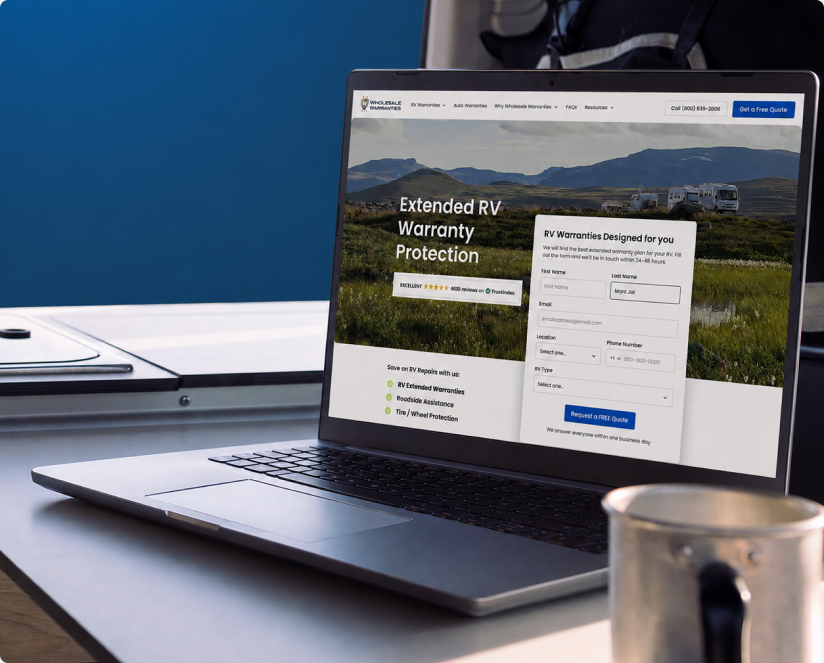
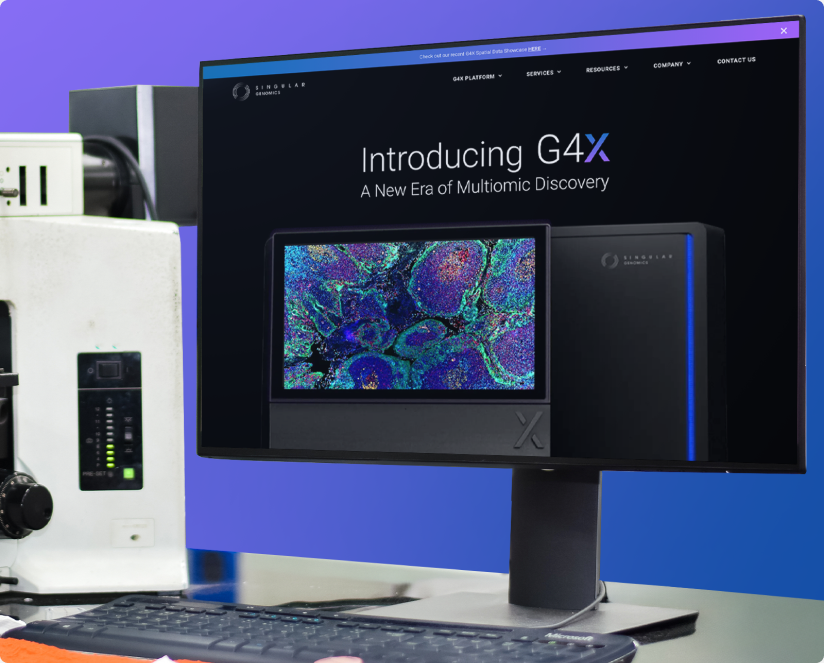

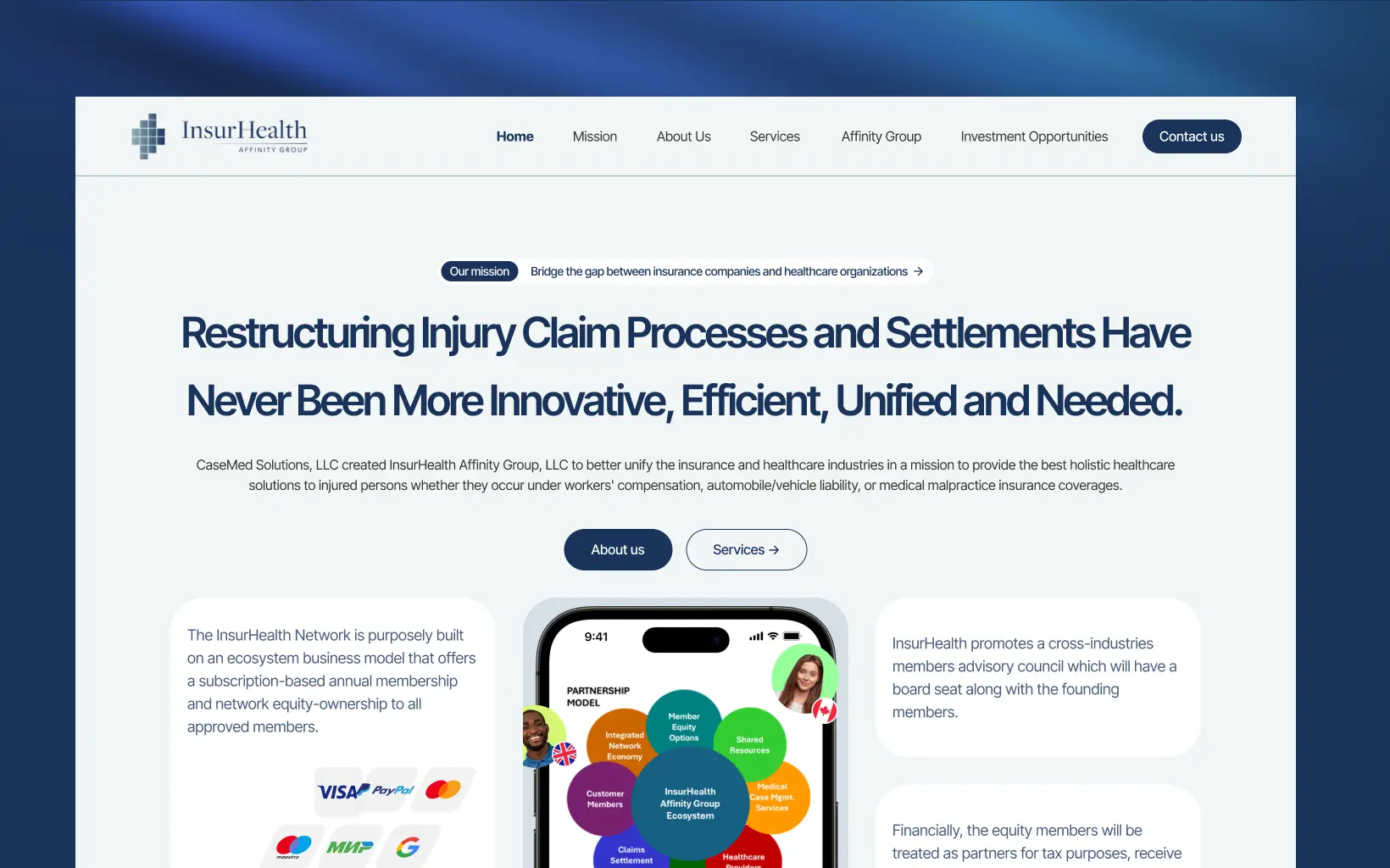
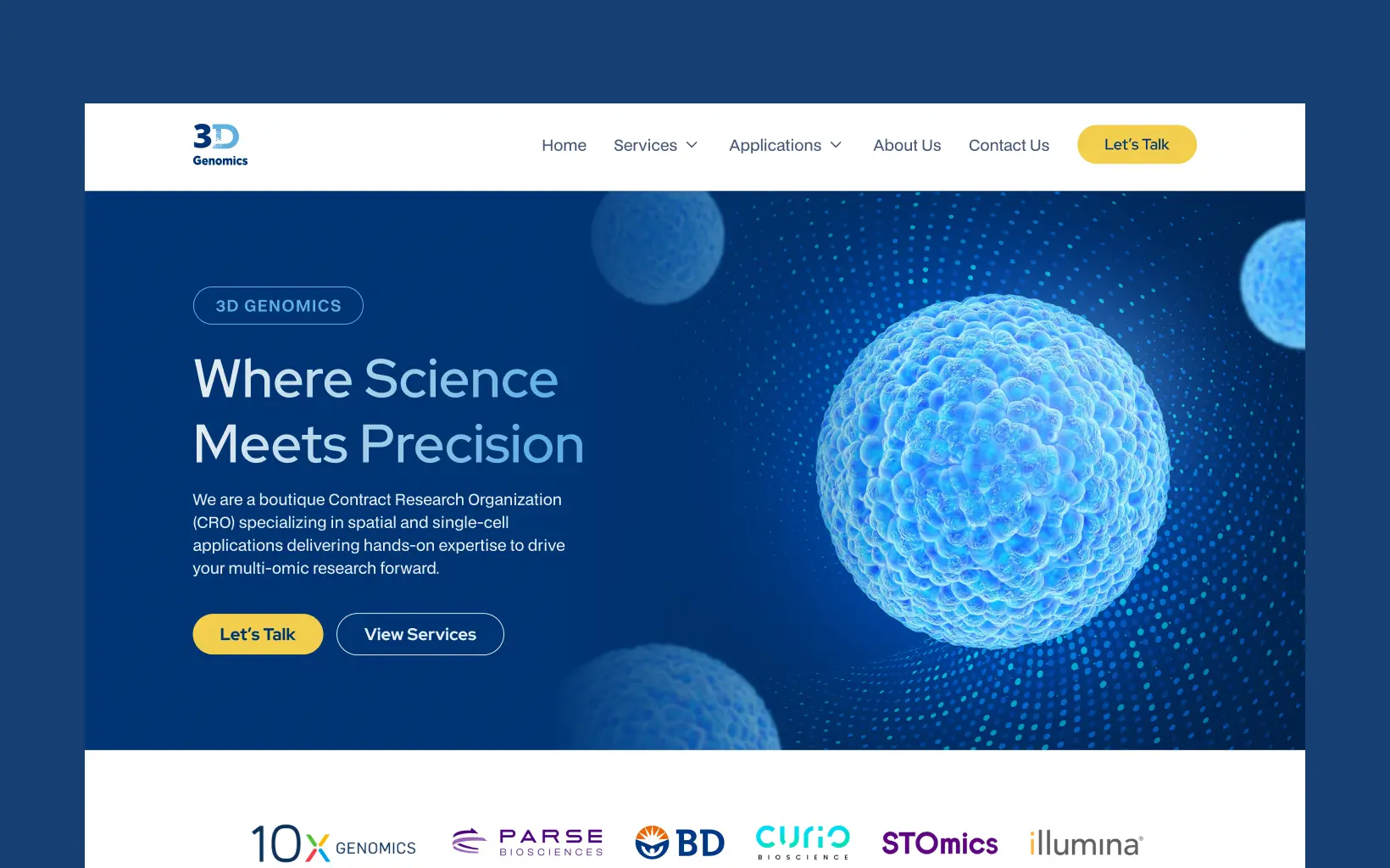
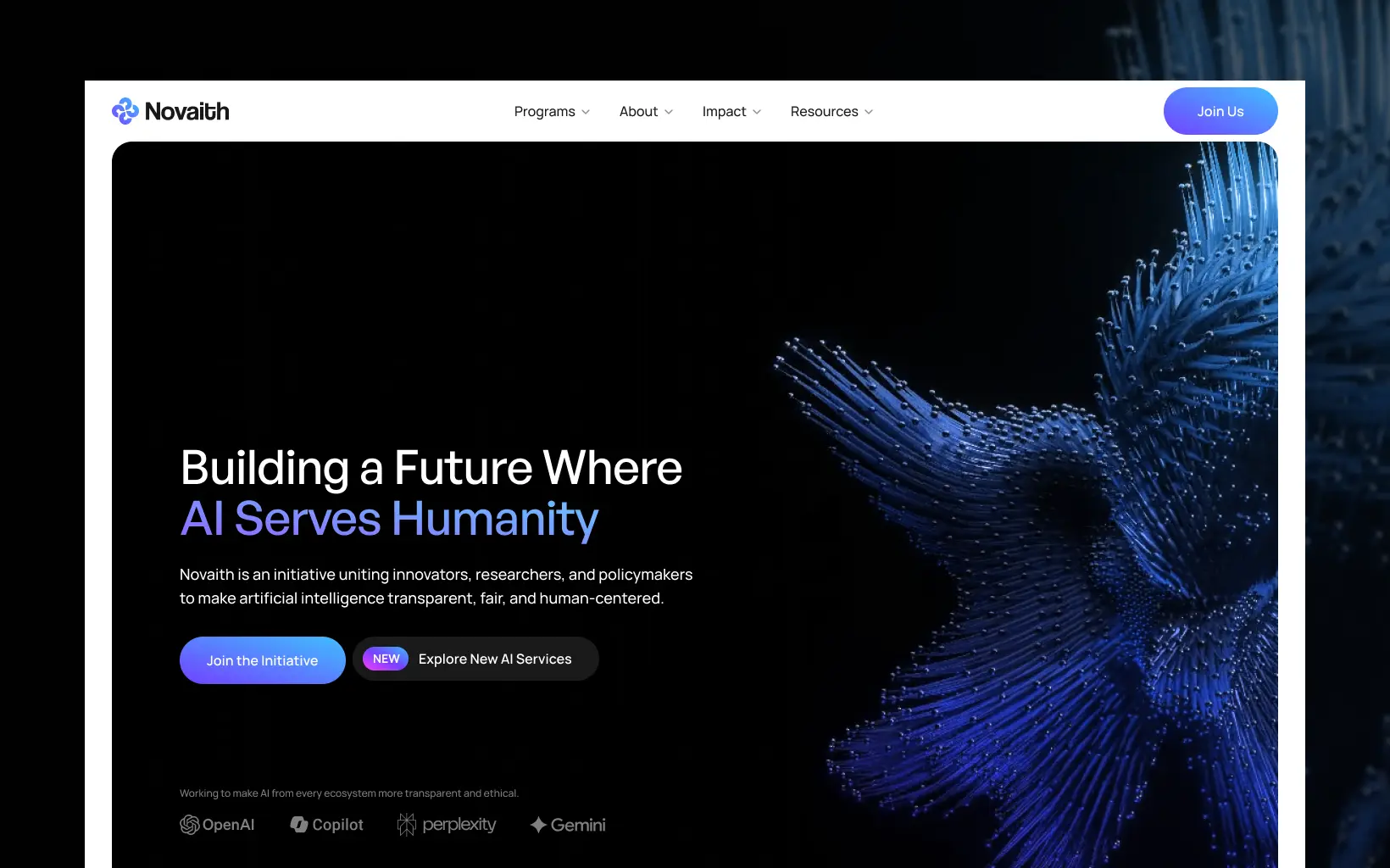
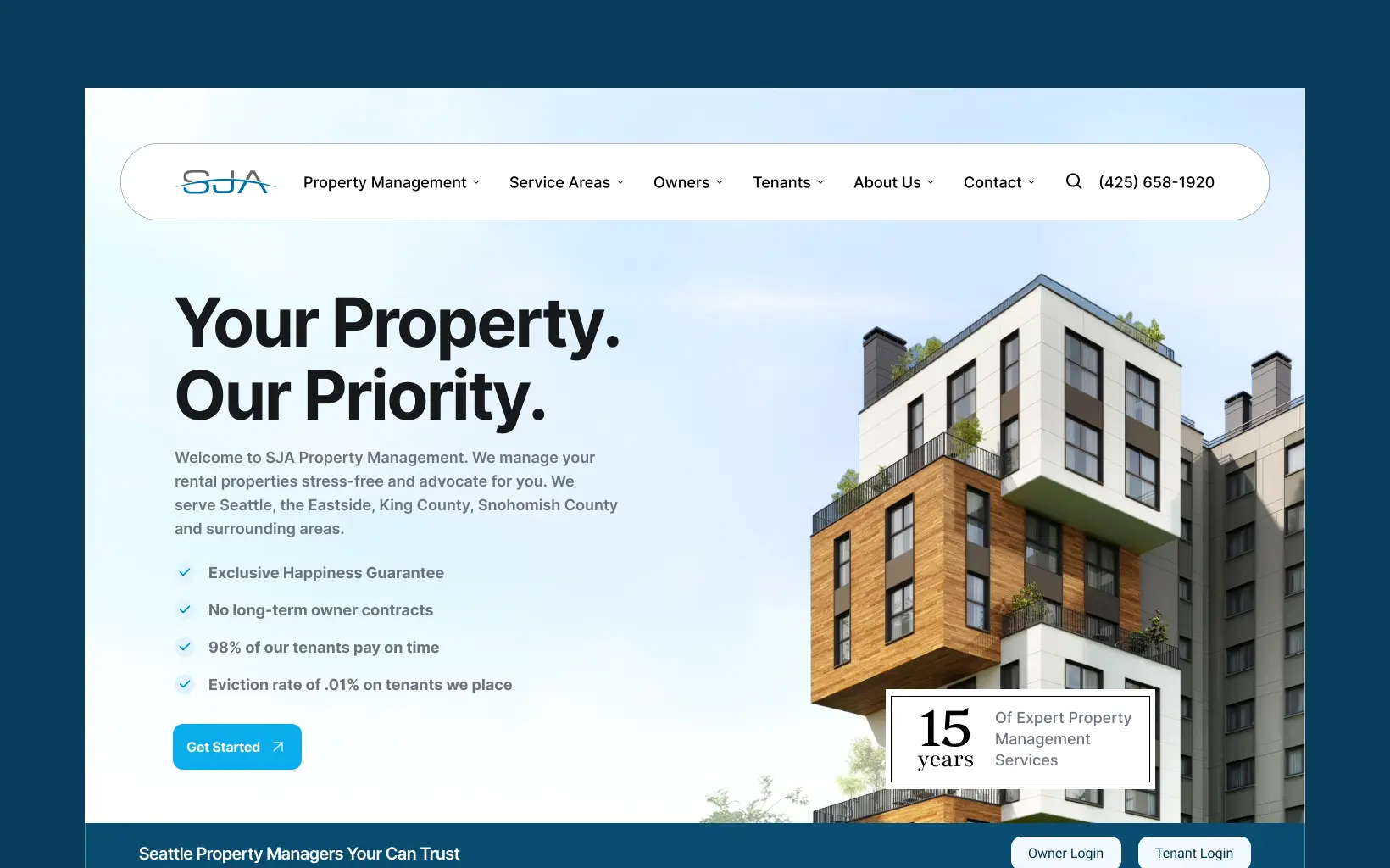
Website design services. A clear path from first visit to next step.
WebXd designs websites around the questions people bring to your organization. Clear page structure, thoughtful visual design, and responsive layouts help visitors understand the offer and find a useful next step. Start with a plan for the whole experience.

Give every page a job.
A website starts with decisions about what people need to know. A prospective customer may be comparing services, while a returning visitor needs one specific resource. A useful page map gives each audience a route that makes sense.
Begin with the questions that come up in real conversations. Group related answers into pages, choose familiar navigation labels, and decide where an inquiry belongs. The result is a structure that can guide both the content and the design.
For a service business, that might mean moving from an overview to a detailed service page and then to a consultation. For an organization with public resources, browsing and finding the right document may matter more than generating an inquiry.
A simple page map to discuss
- Home: explain who you help and why the offer matters
- Service pages: answer questions about scope and suitability
- Resources: make useful information easy to browse
- Contact: explain the next step and where inquiries go
Make the decisions visible.
Wireframes show the order of information before color and imagery enter the conversation. Review the main navigation and a representative page together. It's easier to resolve a missing answer at this stage than after every layout has been polished.
Visual concepts then bring the brand into the page through typography, spacing, and image treatment. A clickable prototype can show how a menu opens or how a visitor reaches the contact route. Review the phone experience alongside the desktop version.

- Structure: what information belongs here?
- Visual direction: does it feel like the organization?
- Interaction: can a visitor complete the intended task?
A useful scope is specific.
Website design and website development are connected, but they produce different deliverables. The proposal should identify which work is included, who supplies the content, and how approved designs reach a working site. Agree on these responsibilities before production begins.
Custom website design
Plan the key page types and the reusable components that connect them. A homepage, service detail, and resource listing may each need a different layout. Design reviews should cover real content and common variations, including long titles and missing images.
Content and brand inputs
Use existing brand guidelines and approved material where they are useful. Identify gaps in copy or imagery early, then agree on who will fill them. A new identity or extensive copywriting can be added as a separate, clearly defined scope.
Development and integrations
Specify whether the engagement ends with design files or includes implementation. The platform, editing tools, and any connections to booking or customer systems affect the build. A visual prototype does not establish that a form or integration works.
Launch and ongoing care
Define the launch checks and the handoff responsibilities in the project plan. Hosting, maintenance, and future features need their own agreement. Record account access and any licensed assets so the organization understands what it can use and manage after delivery.
Design for the next edit, too.
A good content management system (CMS) matches the updates that happen in everyday work. Publishing a resource or changing a service description should have a clear workflow. Decide which fields an editor can change and which layout choices need more control.
Review a realistic editing task before handoff. Add a page, replace an image, and check the result on a phone. Training and documentation should explain routine tasks, approval steps, and the point at which a structural change needs development support.
- Reusable page patterns with sensible content fields
- Guidance for image sizes and alternative text
- Clear permissions and publishing responsibilities
- Documented access, licenses, and support arrangements
Look beyond the first screen.
Responsive web design changes the layout to suit the available space. Important information still needs to be present and readable on a phone. Navigation, long headings, and calls to action deserve attention at narrow widths, not just in a desktop presentation.
Quality review also covers keyboard access and visible focus, readable contrast, descriptive links, and useful image alternatives. Search foundations include clear headings and accessible public content. These checks create a practical starting point; they do not guarantee rankings or establish full accessibility compliance.
Questions to use during review
- Can someone explain the offer after reading the opening?
- Can the main task be completed with a keyboard?
- Do important pages remain useful on a small screen?
- Do contact links and forms reach the intended destination?
- Can editors update content without breaking the layout?
Bring the essentials. Build the brief together.
A useful estimate begins with the size and complexity of the site. Unique layouts, content volume, and integrations all affect the work. A small business website with a focused offer needs a different plan from a resource library with several content owners.
Share the desired launch date and explain what makes it important. Content readiness and review availability help shape a workable schedule. If the full scope is still uncertain, identify the essential launch pages first and discuss whether later additions can follow.
- The main audience and the action the site should support
- An initial page list and any content already available
- Brand files and examples with specific reasons you like them
- Platform requirements and systems that need to connect
- Budget expectations, decision makers, and launch constraints
Questions before getting started.
How much do website design services cost?
Cost depends on the agreed deliverables, the number of distinct layouts, and the work needed to prepare content. Development and integrations add further requirements. WebXd can discuss these inputs and prepare a proposal with scope, timing, and costs for the project.
How long does a website design project take?
The schedule depends on page types, content readiness, review cycles, and whether development is included. A firm date needs a plan for approvals as well as production. Discuss any deadline at the first conversation so the scope can reflect it.
Will you write the content for our website?
Content responsibilities are agreed during scoping. Existing copy may need only a light edit, while a new offer may need research and original writing. Identify who supplies each page and who approves it before design starts. Copywriting can be scoped separately.
Do we need custom design or a template?
A template can suit a straightforward site with familiar page types. Custom design is useful when the content structure, brand expression, or interaction needs more specific treatment. Compare the editing requirements and the limitations of each approach before choosing a direction.
Can we update the website ourselves?
Plan the editing experience around the team's routine tasks and the selected platform. A CMS can support updates to approved page patterns without rebuilding them. Agree on training, permissions, and documentation, and identify changes that will still need technical help.